Amateur radio pursuit
Who are radio amateurs?
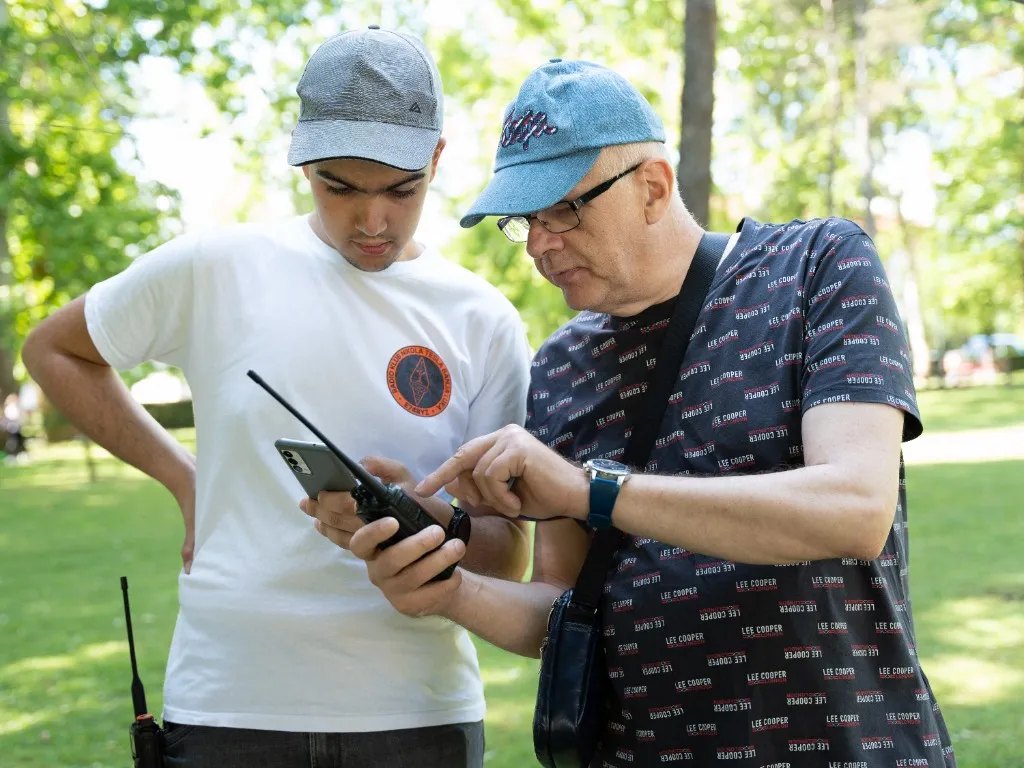
Radio amateurs are people joined by curiosity, technology and the wish to communicate. They explore how a signal travels, build stations and antennas, and make contacts with operators around the world.
In Republika Srpska that path runs through the clubs gathered in the union. A club is where knowledge is passed on, a station is shared, and the first contact happens with someone who has already walked the path.
- 01 Communication From a local contact to one thousands of kilometres away.
- 02 Technique Stations, antennas, repeaters and the systems that carry the signal.
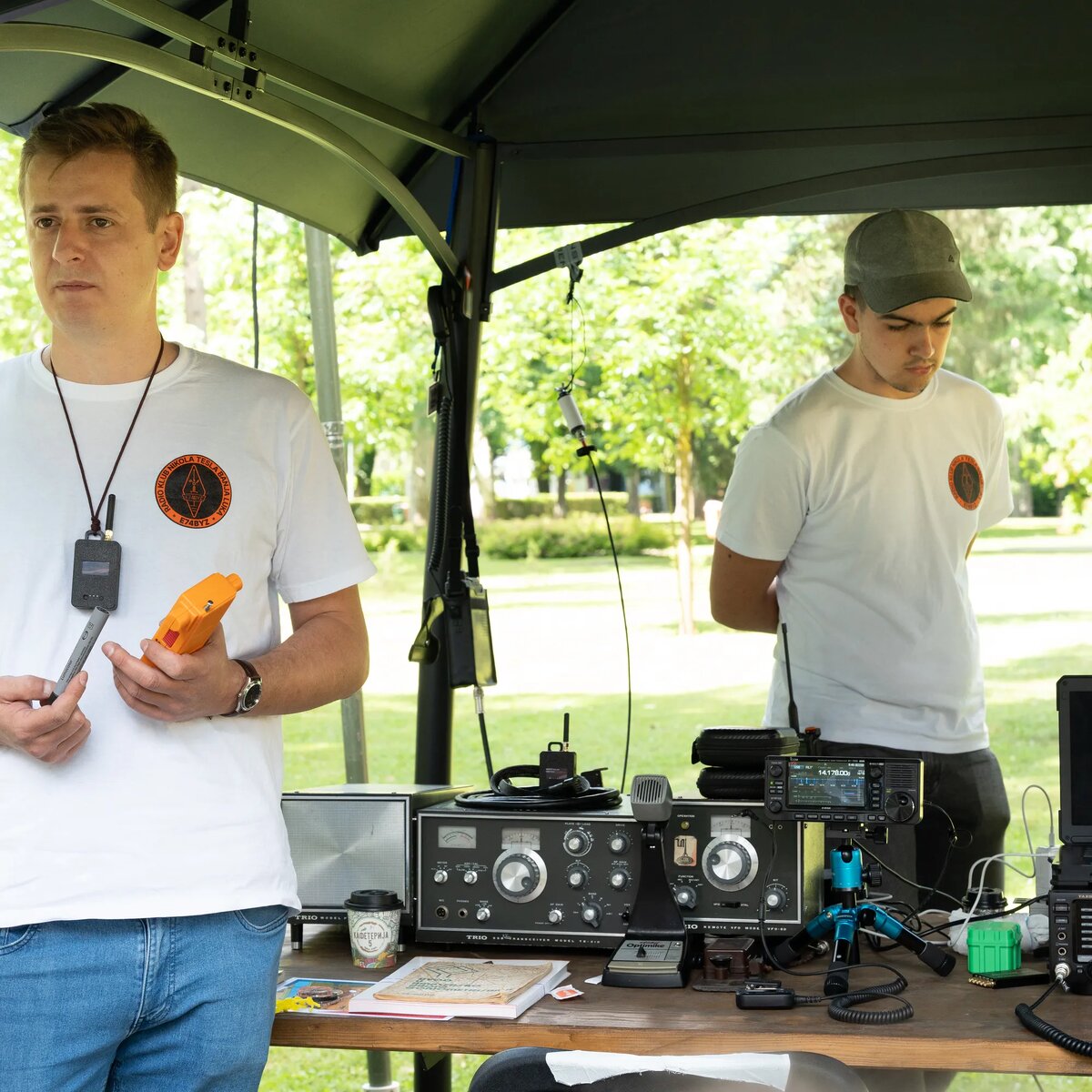
- 03 The field A mountain, a park or an expedition: the station goes with you.
- 04 Community Behind every call sign is a person, a club and a generation.
- 05 Knowledge Electronics, propagation, rules and digital modes in one whole.
- 06 Building From a cable and an antenna to a system you make and improve yourself.
And all of it can begin with a single radio contact.
The path to a licence
From enrolment to the air
Six steps lead from the first visit to a club to your own call sign and the first contact.
-
 01
Enrolment
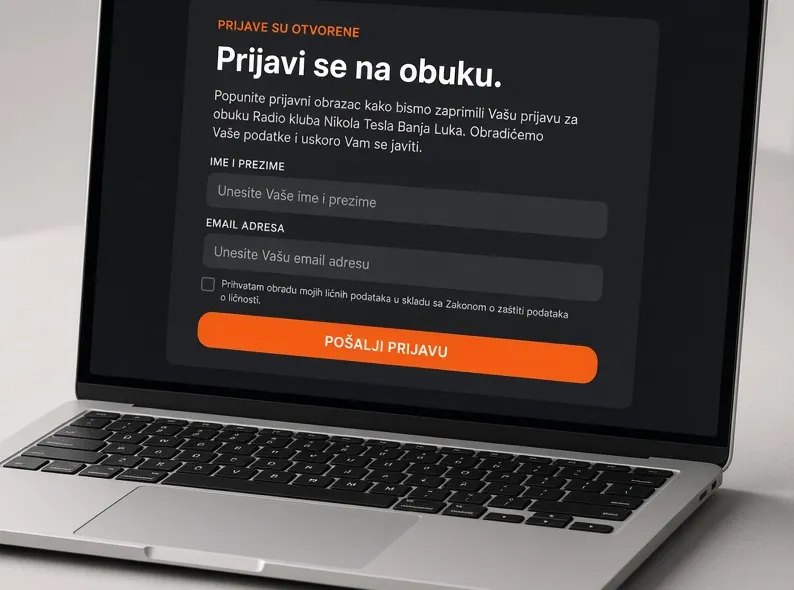
The path starts in a radio club. You say who you are and why you want to be on the air, and the club brings you into the training and among people who already know the path.
-
 02
Training course
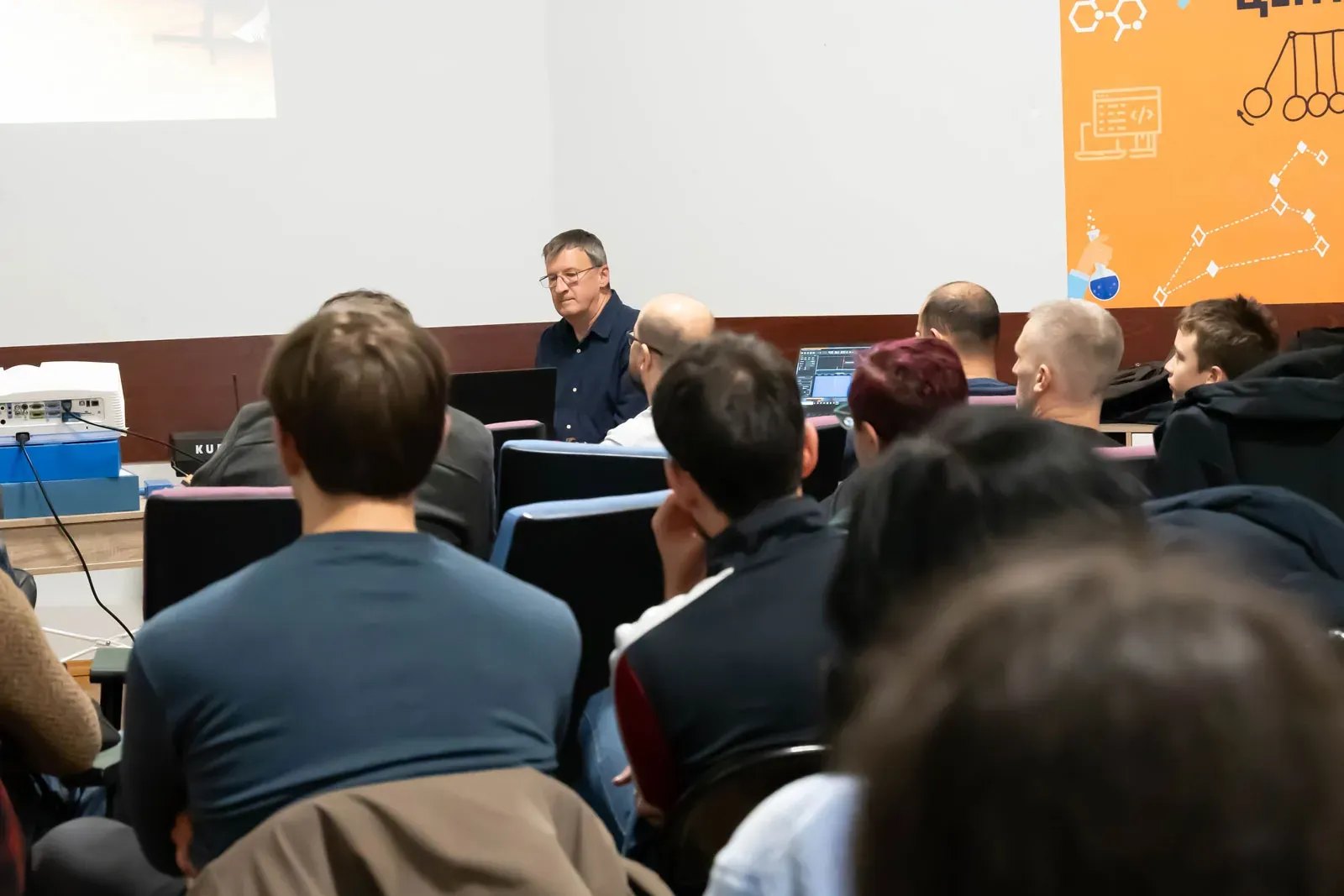
Rules, radio technique, antennas and safe operating. Theory goes with the station, so you arrive at the exam ready to operate, not only to answer.
-
 03
The exam
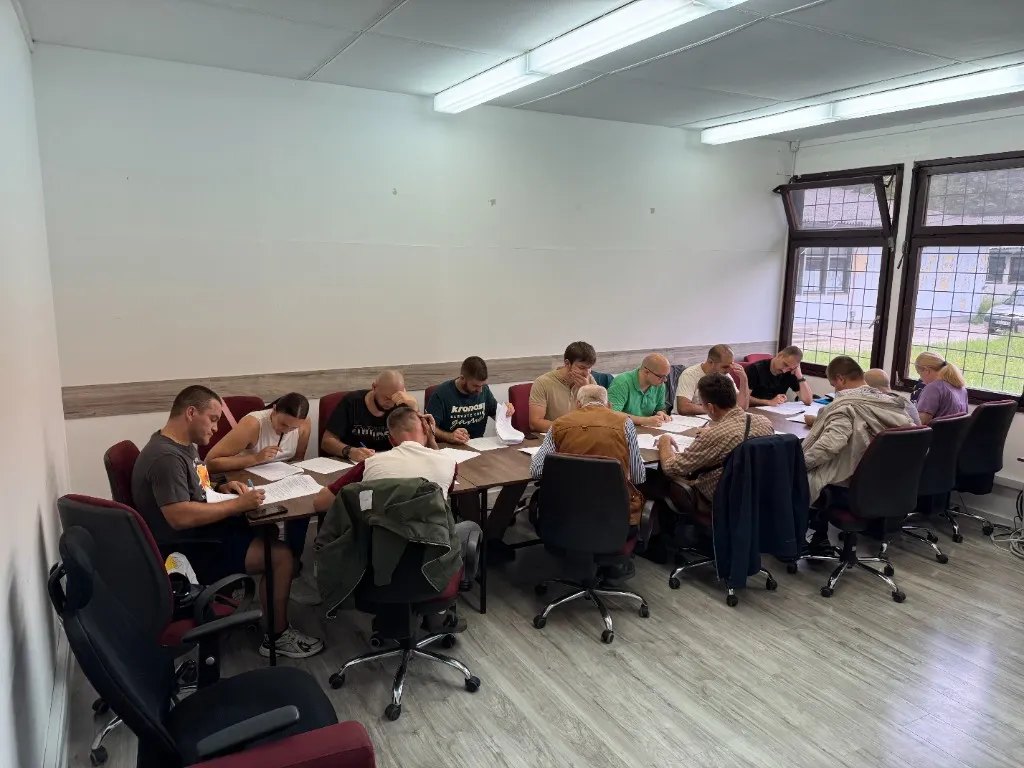
The qualification exam checks the rules of the spectrum, the technical basics and responsible behaviour. Radio amateur organisations run it, with the approval of RAK.
-
 04
The call sign
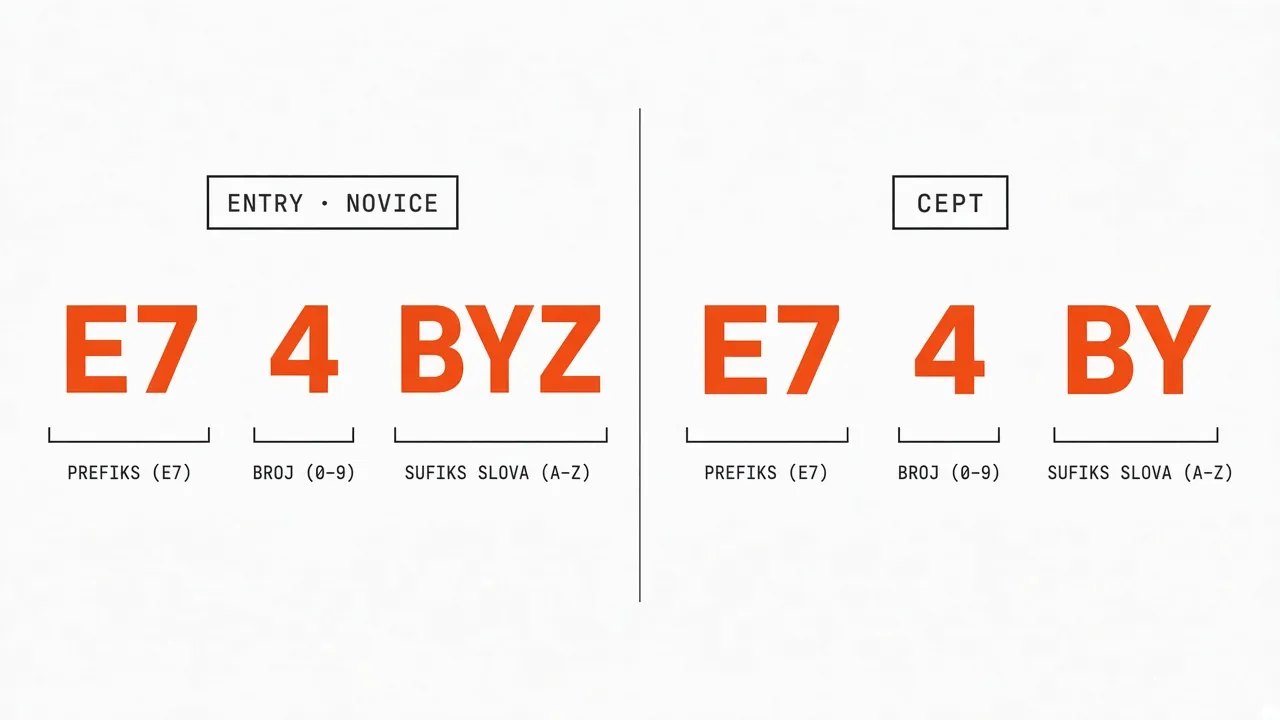
Your identity in every log and every contact. Entry and Novice have a three-letter suffix, CEPT a two-letter one.
-
 05
The permit
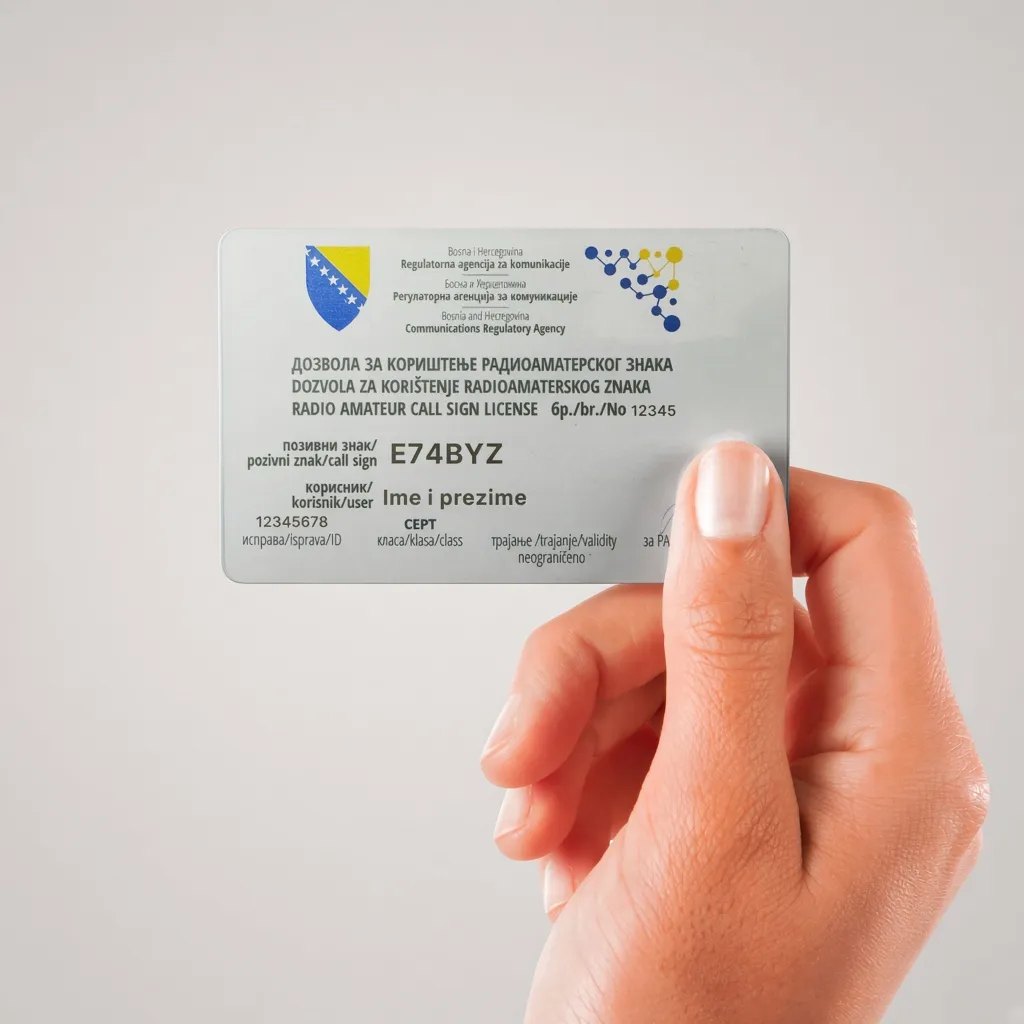
After the exam comes the application for a licence in the class you passed. That document turns knowledge into the right to transmit.
-
 06
On the air
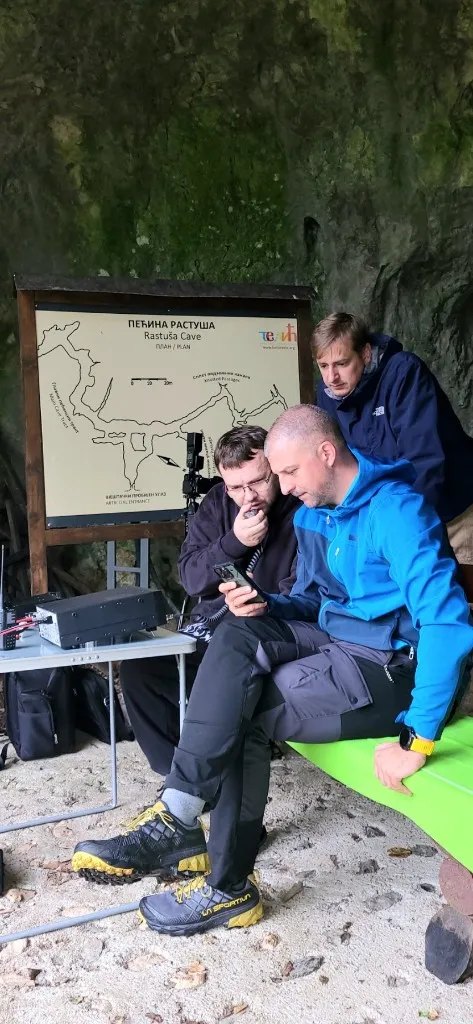
The first real contact: a call and an answer. The club station is there at once, and your own comes when you are ready.
Radio amateur organisations run the exam. The Communications Regulatory Agency issues the call sign and the licence.
After the licence
A licence is only the beginning.
A call sign opens local contacts, digital networks, operating from the field, contests and your own projects. Everyone finds a direction.
-
 HF
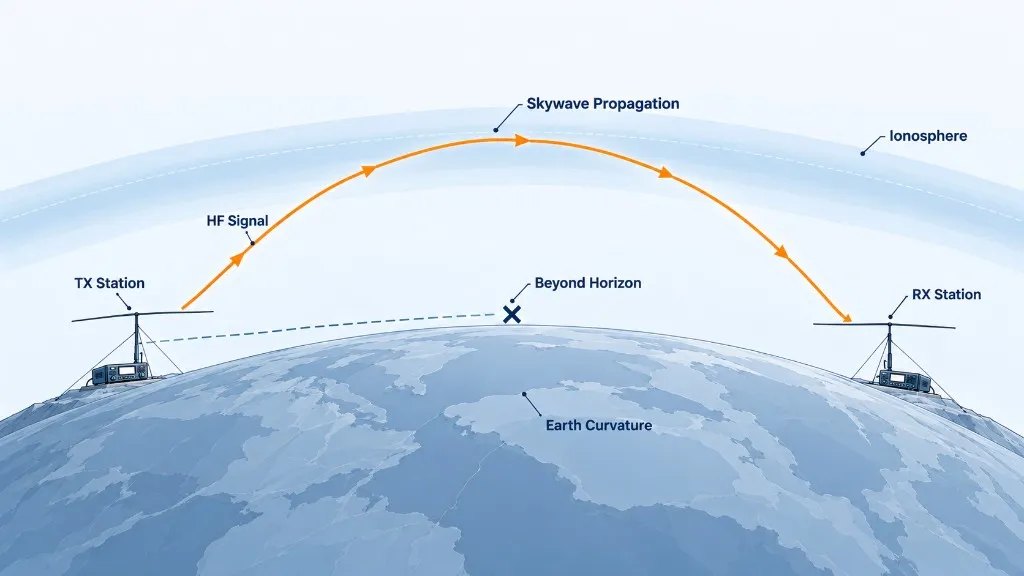
Contacts around the world
HF carries a signal hundreds and thousands of kilometres, when the station, the antenna and the propagation work together.
-
 VHF / UHF
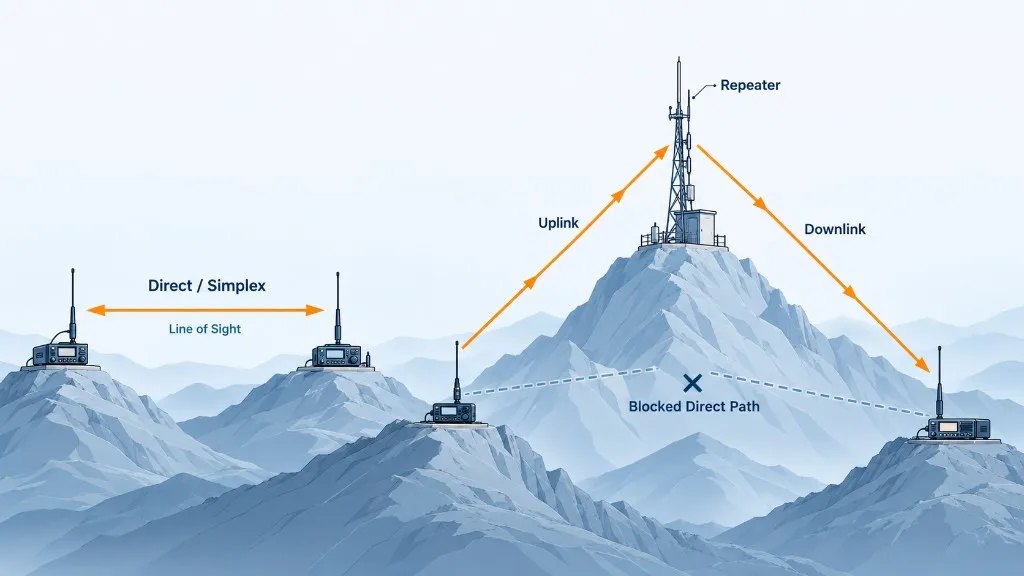
Locally and through repeaters
Everyday operating: a direct contact, a repeater and a day in the field.
-
 Digital
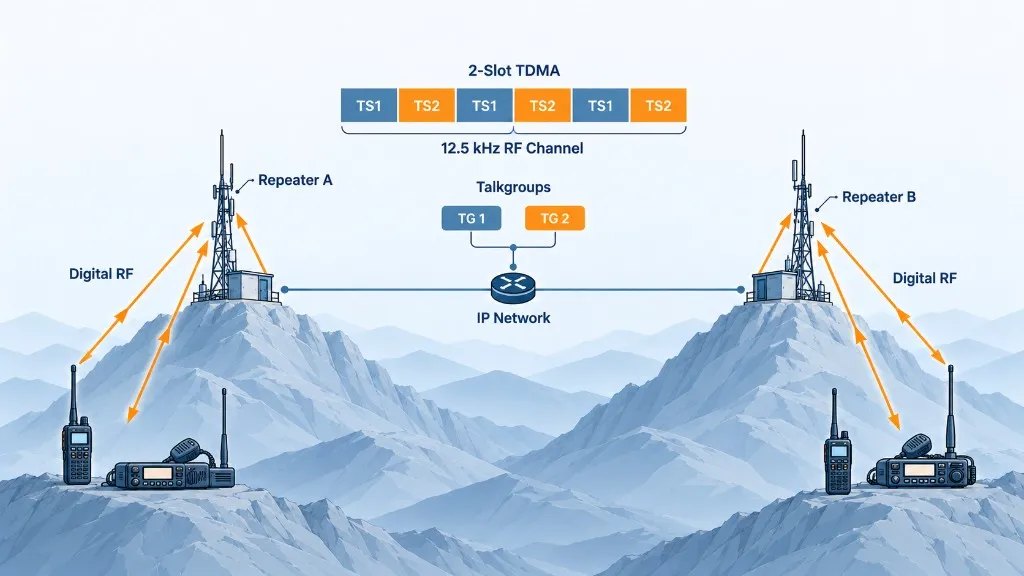
Voice and data on a network
DMR, APRS and mesh join radio with the networks operators build themselves.
-
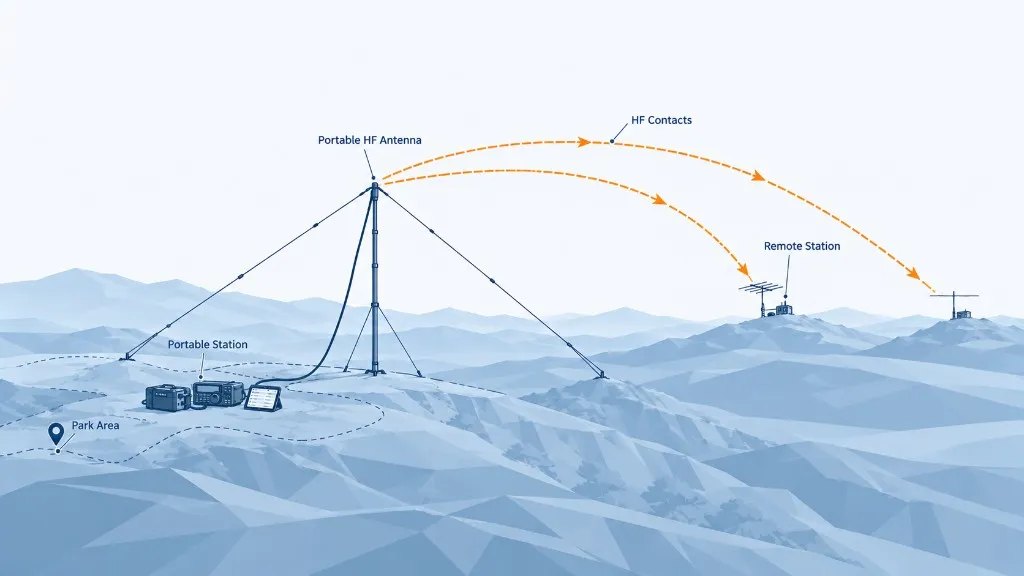 Field work
The station goes outside
A park, a summit or a reserve. POTA, SOTA and WWFF take operating out of the club room.
-
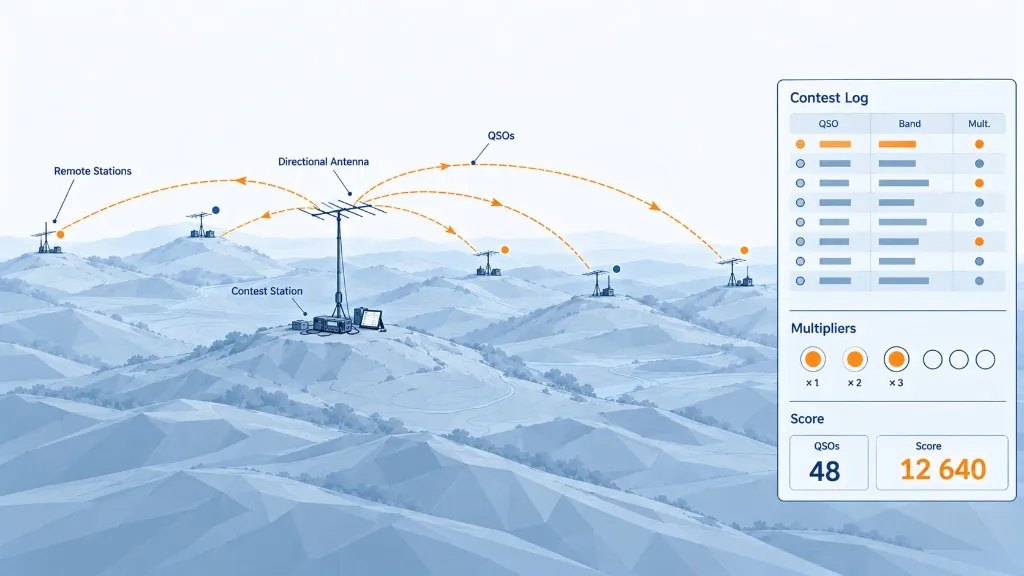 Contesting
How many contacts fit in an hour
A different pace: speed, the log and the search for new stations.
-
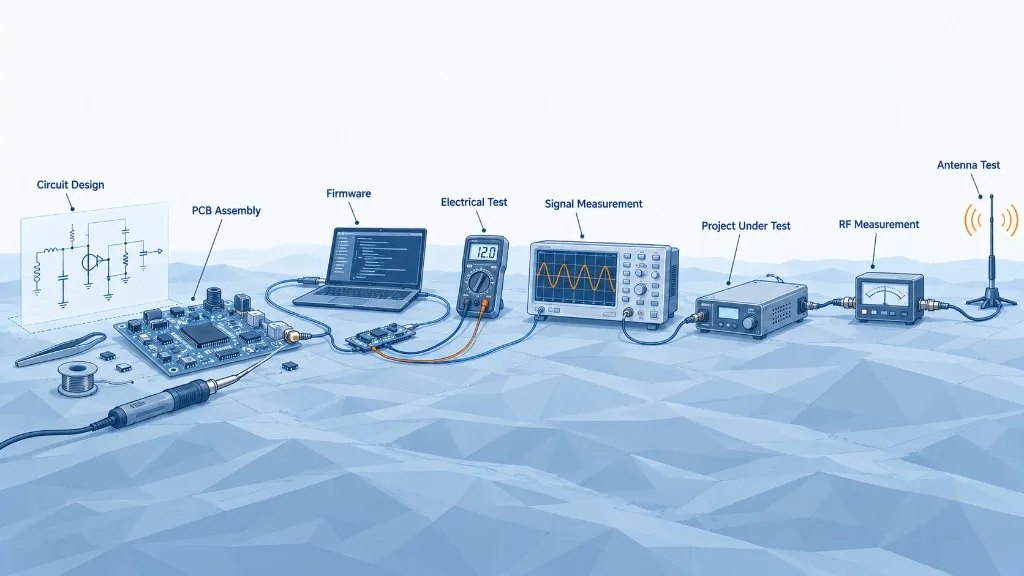 Projects
You can build it too
An antenna, an interface, a repeater. Part of the hobby is understanding how something works and making it better.
The permit
Three classes, clear rules
In Bosnia and Herzegovina a class is earned by an exam. It sets the bands and the power on a personal station. On a club station the privileges are wider.
- ENTRY A beginning Personal station Above 30 MHz, up to 2 W Club station All bands, permitted power
- NOVICE Wider VHF and UHF Personal station Above 30 MHz, permitted power Club station All bands, permitted power
- CEPT All bands Personal station All bands, permitted power Club station All bands, permitted power
With a personal station, Entry and Novice do not work on HF. Both can work HF through a club station, on all bands and at the permitted power.
Questions a new member actually asks
Which classes exist in BiH?
Rule 92/2020 defines three classes: Entry, Novice and CEPT. A class is earned by an exam, after which you apply for a call sign.
Can I work HF with an Entry or Novice class?
With a personal station, Entry and Novice do not work on HF. Both can work HF through a club station, on all bands and at the permitted power.
Who issues the call sign?
The Communications Regulatory Agency issues the call sign and the licence, after a passed exam.
How many questions are on the exam?
Entry has 45 questions, Novice 50 and CEPT 55.
What is HAREC?
HAREC is the harmonised certificate of a passed amateur radio examination under the CEPT system. An operator with a CEPT class can request it with a personal application.
An overview according to Rule 92/2020. For the official conditions, the RAK regulations and the relevant CEPT documents prevail.
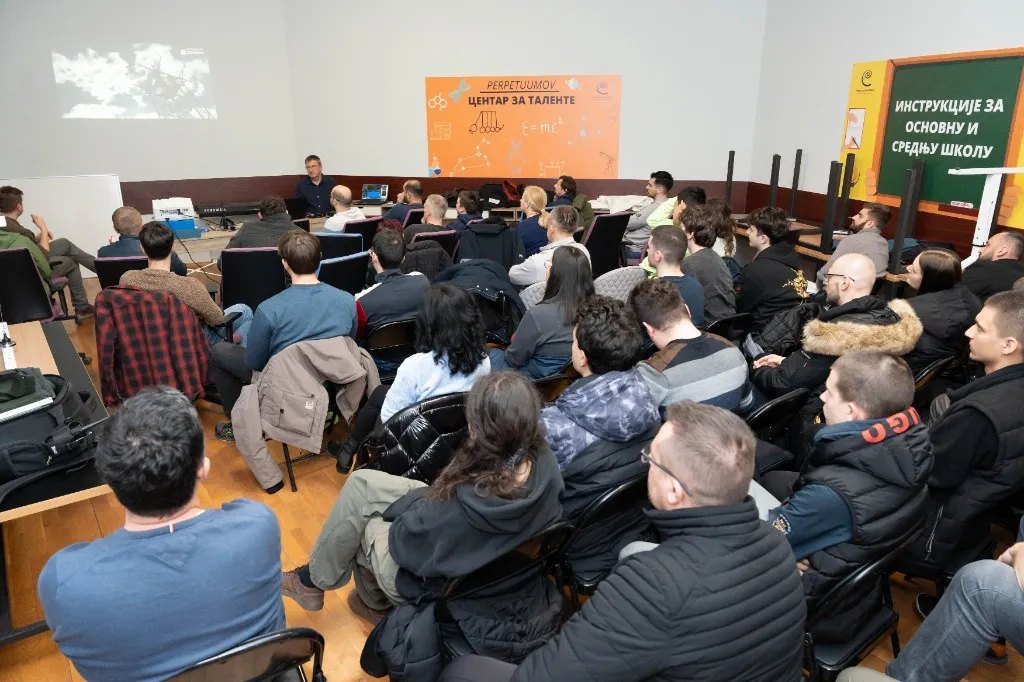
First step
Contact the nearest club
Clubs of the union across Republika Srpska.
- Training course
- Once a year, through a club of the union.
- The exam
- Entry 45, Novice 50, CEPT 55 questions.
- The permit
- RAK issues the call sign after a passed exam.